
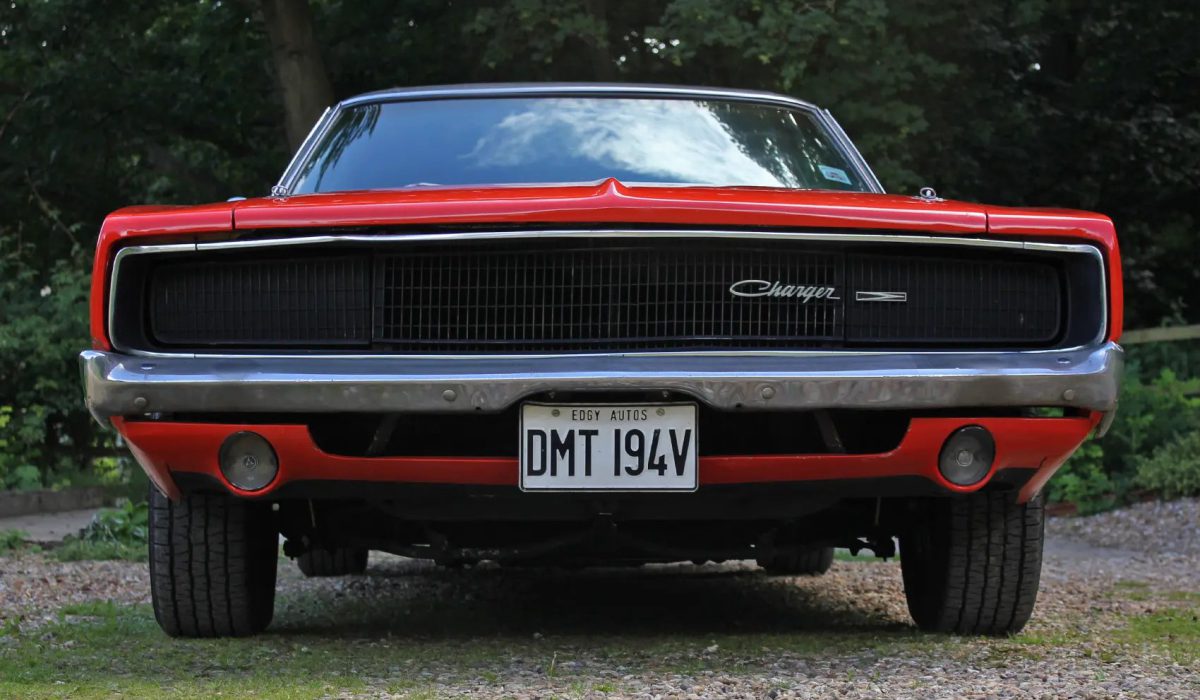
The Dodge Charger
Overview
Few vehicles embody American muscle car culture like the Dodge Charger. Since its debut in 1966, the Charger has represented bold design, big-block power, and a relentless performance attitude. More than five decades later, it remains one of the most respected and recognizable muscle cars in automotive history.
The Birth of a Legend (1966–1967)
The Charger was introduced during the height of the muscle car movement. Built to compete with performance coupes of the era, it featured:
-
Fastback roofline styling
-
Hidden rotating headlights
-
Full-width grille
-
Available 383 and 426 HEMI V8 engines
While the first generation laid the groundwork, it was only the beginning of something far greater.
The Golden Era of Muscle (1968–1970)
The 1968 redesign transformed the Charger into a true icon. Its sculpted body lines, aggressive stance, and powerful engine options defined late-1960s performance.
Highlights of this era include:
-
The legendary R/T (Road/Track) package
-
440 Magnum V8
-
426 HEMI powerhouse
-
NASCAR-dominating Daytona edition
This generation cemented the Charger’s reputation as one of Detroit’s most formidable street machines.
Adapting Through Changing Times (1970s–1990s)
Like many muscle cars, the Charger faced challenges during the oil crisis and tightening emissions regulations. Performance declined industry-wide, and the Charger eventually disappeared from production.
Yet even during its absence, its reputation only grew stronger among collectors and enthusiasts.
The Modern Resurrection (2006–Present)
Dodge revived the Charger in 2006 — this time as a four-door performance sedan. Though initially controversial, it quickly proved itself worthy of the name.
Modern performance variants include:
-
5.7L HEMI V8
-
6.4L 392 HEMI
-
Supercharged Hellcat models producing over 700 horsepower
-
Widebody high-performance editions
Today’s Charger combines retro muscle DNA with advanced engineering and modern technology.
Why the Charger Remains a Premier Muscle Car
Heritage
The Charger traces directly back to the golden age of American performance.
Power
Few production vehicles match the horsepower levels achieved by modern Charger models.
Design
From the hidden headlights of 1968 to today’s widebody stance, the Charger always commands attention.
Cultural Impact
The Charger has become a symbol of American performance, appearing in racing, film, and pop culture for decades.
Posted in charger by James Dean