
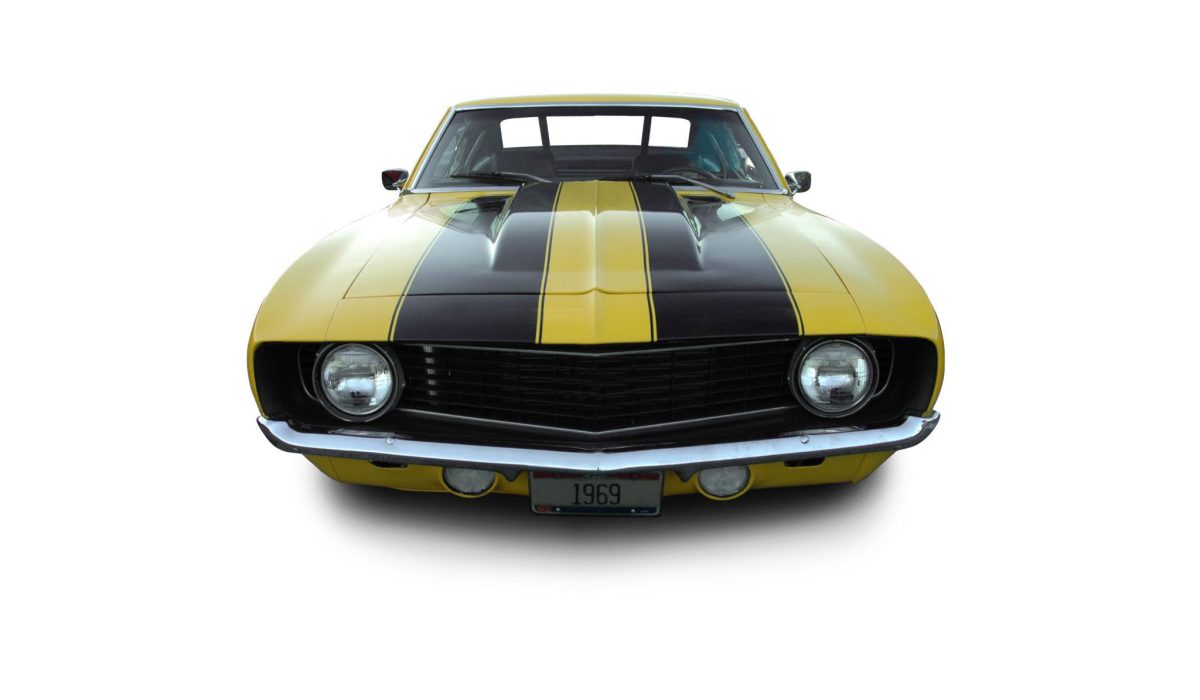
Charger vs. Mustang vs. Camaro
For more than half a century, three names have defined American performance: the Dodge Charger, the Ford Mustang, and the Chevrolet Camaro.
Each represents a different philosophy of muscle — yet all three have shaped automotive history.
Origins of the Rivalry
Ford Mustang – The Original Pony Car (1964)
The Mustang created an entirely new market segment. Affordable, sporty, and customizable, it was an instant success. Its formula: style + performance + accessibility.
Chevrolet Camaro – GM’s Direct Response (1967)
Chevrolet launched the Camaro to compete directly with Mustang. It offered aggressive styling and powerful V8 options, quickly becoming a street and strip favorite.
Dodge Charger – The Bold Heavyweight (1966)
Dodge positioned the Charger as a larger, more imposing performance machine. It leaned harder into raw horsepower and visual dominance.
Design Philosophy
Charger
-
Wide, aggressive stance
-
Muscular body lines
-
Fastback and later bold sedan proportions
-
Presence over subtlety
Mustang
-
Sleek, athletic styling
-
Long hood / short deck proportions
-
Evolutionary design that stays recognizable
Camaro
-
Sharp, angular aggression
-
Compact but planted
-
Often considered the most track-inspired design
TFOL Take:
The Charger projects power. The Mustang balances style and sport. The Camaro looks built to attack corners.
Performance Through the Decades
The Golden Era (Late 1960s)
-
Charger: 426 HEMI, 440 Magnum
-
Mustang: 428 Cobra Jet, Boss 429
-
Camaro: 396 big-block, Z/28 performance package
All three offered street-legal race-level power.
The Modern Era
Dodge Charger (Hellcat variants)
-
Supercharged 6.2L V8
-
700+ horsepower
-
One of the most powerful production sedans ever built
Ford Mustang (GT & Shelby models)
-
5.0L Coyote V8
-
Shelby GT500 exceeding 700 horsepower
-
Balanced street and track performance
Chevrolet Camaro (SS & ZL1)
-
6.2L LT engines
-
ZL1 supercharged performance
-
Track-focused engineering
Driving Character
Charger
-
Straight-line dominance
-
Muscle sedan practicality
-
Big, bold, unapologetic
Mustang
-
Balanced power-to-weight
-
Everyday drivability
-
Broadest global appeal
Camaro
-
Sharp handling
-
Lower, tighter cockpit
-
Often praised for track capability
Cultural Impact
-
Mustang became a pop culture icon almost instantly.
-
Charger became synonymous with outlaw power and cinematic cool.
-
Camaro earned loyalty among performance purists and racers.
Each has appeared in film, racing, and enthusiast communities for decades.
Practical Differences Today
| Feature | Charger | Mustang | Camaro |
|---|---|---|---|
| Body Style | 4-door sedan | 2-door coupe | 2-door coupe |
| Practicality | Highest | Moderate | Lower |
| Straight-Line Speed | Exceptional | Excellent | Excellent |
| Track Handling | Strong | Strong | Often strongest |
| Daily Comfort | High | Moderate | Moderate |
The TFOL Verdict
There is no universal winner — only different expressions of muscle:
-
Choose the Charger for presence, space, and raw horsepower.
-
Choose the Mustang for heritage and balance.
-
Choose the Camaro for precision and track-ready performance.
Together, they form the holy trinity of American muscle.
At theFocusOnMuscleCars, we recognize that this rivalry isn’t about defeating one another — it’s about pushing each other to build faster, louder, and more unforgettable machines.
Posted in charger by James Dean