
Understanding Chicken Behavior
One of the most enjoyable parts of raising backyard chickens is learning about their unique personalities and natural flock behavior. Chickens are social, intelligent animals with surprisingly complex interactions, and many owners quickly discover that every bird develops its own habits, preferences, and temperament.
Perhaps the most well-known aspect of chicken behavior is the “pecking order.” This natural social hierarchy helps establish order within the flock. More dominant birds usually eat first, choose preferred roosting spots, and sometimes gently remind lower-ranking birds of their place. While occasional pecking and squabbles are normal, excessive aggression may indicate overcrowding, boredom, or lack of resources such as feeders and nesting boxes.
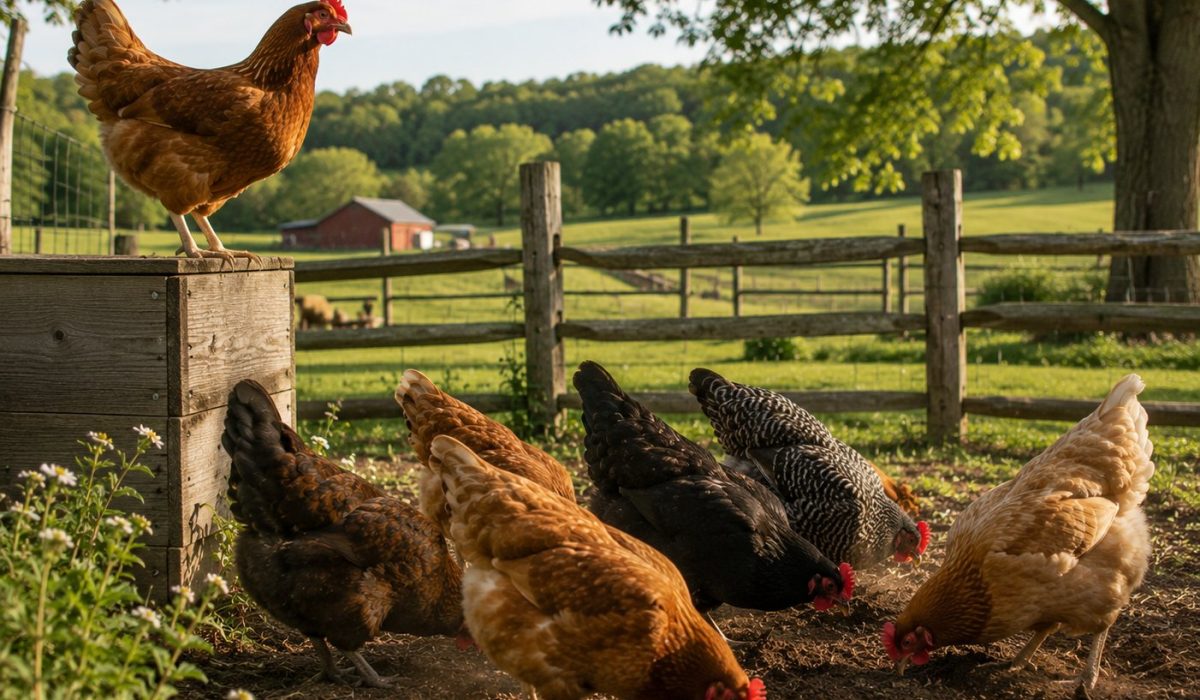
As chickens become comfortable in their environment, owners will observe a variety of entertaining behaviors. Chickens spend much of the day scratching the ground in search of insects, seeds, and plants. They also enjoy dust bathing, where they roll and flap in dry dirt to help clean their feathers and control parasites naturally. Sunbathing, wing stretching, and quiet “conversation” between flock members are also common sights in a healthy flock.
Egg laying becomes one of the most anticipated daily routines for new chicken owners. Most hens begin laying eggs between five and six months of age, depending on breed, nutrition, and seasonal daylight. Hens usually prefer quiet nesting boxes lined with clean bedding, and many develop regular laying schedules. Some hens may “sing” or chatter proudly after laying an egg, alerting both flock mates and owners to their accomplishment.
Collecting eggs quickly becomes a favorite part of backyard chicken keeping. Fresh eggs are often gathered once or twice each day to help keep them clean and reduce the chance of breakage or egg-eating behavior. Many owners enjoy the variety of egg shell colors different breeds can provide, ranging from white and brown to blue, green, olive, and even speckled shades.
Human interaction also plays an important role in shaping flock behavior. Chickens that are handled gently and regularly from a young age often become calm and friendly around people. Some birds will eagerly follow owners through the yard hoping for treats, while others enjoy being held or sitting quietly nearby during outdoor chores. Children especially enjoy helping with feeding, egg collection, and caring for favorite hens.
Over time, many chicken owners realize that backyard chickens become far more than simple egg producers. Watching flock interactions, listening to their daily sounds, and caring for them through changing seasons often creates a relaxing connection to nature and a rewarding hobby for the entire family.
Posted in raising-chickens by Erik Johansson