
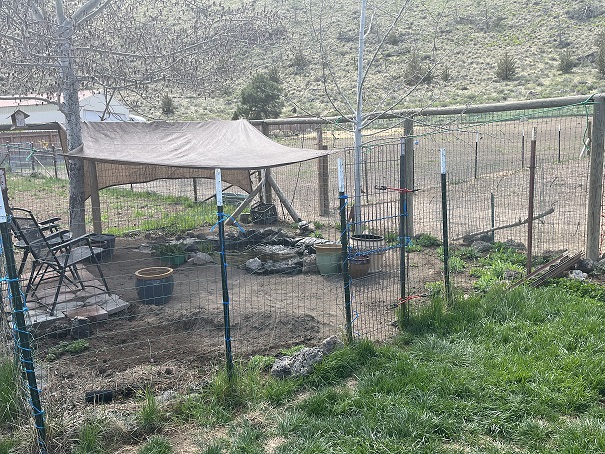
Goldfish Pond
The Amazing Survival Skills of Goldfish in Winter: Defying the Frozen Pond
As winter arrives and temperatures plummet, nature undergoes a remarkable transformation. Ponds freeze over, and the world seems to come to a standstill. Amidst this wintry landscape, one might wonder how aquatic creatures like goldfish manage to survive beneath the ice-covered surface. This article explores the incredible adaptations and survival strategies that allow goldfish to endure the harsh conditions of winter in a small pond.
Coldwater Adaptations: Goldfish, descendants of the Prussian carp, possess several unique adaptations that help them thrive in coldwater environments. These adaptations allow them to survive even when their habitat becomes encased in ice.
-
Slowed Metabolism: Goldfish have the remarkable ability to adjust their metabolism according to the surrounding temperature. As winter sets in and the water temperature drops, their metabolic rate decreases significantly. This lowered metabolism reduces their energy requirements, enabling them to survive on limited resources for extended periods.
-
Ammonia Detoxification: One challenge for fish in a frozen pond is the accumulation of toxic ammonia. Goldfish have specialized enzymes in their liver and gills that convert toxic ammonia into less harmful compounds, such as urea. This adaptation helps them maintain a balanced internal environment, even during periods of reduced water quality beneath the ice.
Surviving Under the Ice: When a small pond freezes over, goldfish face a challenging environment. However, their survival instincts and physiological adaptations enable them to overcome these obstacles.
-
Finding Oxygen: As the ice forms a barrier between the goldfish and the atmosphere, the availability of oxygen becomes limited. Goldfish can extract the little oxygen present by absorbing it directly from the water through their gills. They can also obtain small amounts of oxygen by breaking the surface of the ice using their snouts or by utilizing air pockets trapped beneath the ice.
-
Slowing Down Activity: With limited oxygen and decreased metabolism, goldfish drastically reduce their activity levels during winter. They become lethargic, conserving energy and minimizing their need for oxygen. By slowing down, they can endure prolonged periods without food and maintain their essential bodily functions.
The goldfish's ability to survive the harsh winter conditions in a small pond, where a thick layer of ice forms, is a testament to their remarkable adaptations. These coldwater fish possess the remarkable capacity to lower their metabolism, detoxify harmful ammonia, and extract limited oxygen from their environment. Through their slowed activity and efficient energy usage, goldfish can successfully navigate the challenges posed by a frozen habitat. As spring approaches and the ice melts away, these resilient creatures emerge unscathed, ready to embrace the warmer days ahead.
Posted in april by Stephanie Long