
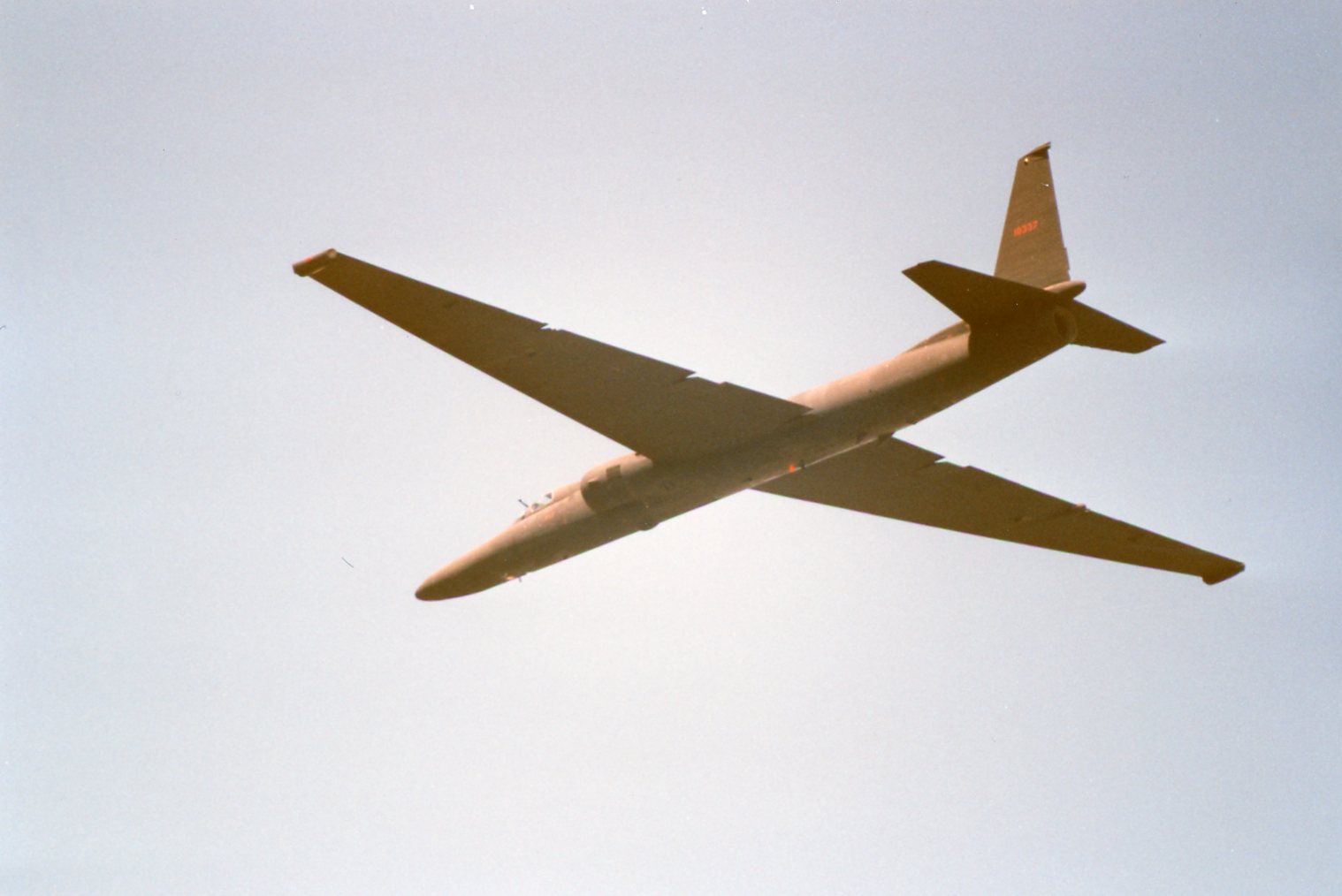
The U-2 Spy Plane
The U-2 spy plane, an iconic aircraft with a storied history, has played a pivotal role in shaping the world of intelligence and reconnaissance. Developed during the Cold War era, this high-altitude reconnaissance aircraft has consistently pushed the boundaries of aviation technology, enabling unparalleled access to critical information and intelligence gathering. The U-2's remarkable legacy is a testament to human ingenuity, determination, and the relentless pursuit of knowledge.
Origins and Design:
The U-2, designed by Clarence "Kelly" Johnson and his team at Lockheed's Skunk Works, made its maiden flight in 1955. The primary goal behind its creation was to carry out surveillance missions over the Soviet Union, providing valuable intelligence during a time of heightened tension between the United States and the Soviet bloc. Its distinct design, featuring an extremely long wingspan and minimal fuselage, allowed the aircraft to reach altitudes beyond the range of most enemy defenses.
The High-Altitude Advantage:
One of the U-2's greatest strengths lies in its ability to fly at altitudes exceeding 70,000 feet (over 20,000 meters). At these extreme heights, the plane operates above most weather systems and outside the range of most enemy aircraft and surface-to-air missiles. This advantage enabled the U-2 to gather critical intelligence while remaining relatively safe from interception.
Historic Missions:
The U-2 spy plane achieved its first major milestone during the Cuban Missile Crisis in 1962. Its reconnaissance flights provided President Kennedy with crucial photographic evidence of Soviet nuclear missile installations in Cuba, shaping the course of the crisis and contributing to a peaceful resolution.
Throughout the Cold War, the U-2 played a critical role in monitoring the movements and activities of potential adversaries. It provided valuable intelligence on military installations, troop movements, and technological advancements of the Soviet Union and other nations. The U-2's contributions extended beyond its original purpose, proving its adaptability and enduring relevance.
Challenges and Advancements:
The U-2 program faced numerous challenges, including technical limitations, pilot safety concerns at high altitudes, and occasional diplomatic incidents resulting from overflights of foreign territories. However, the aircraft's longevity can be attributed to its continuous evolution. Over the years, the U-2 underwent upgrades in sensor capabilities, communication systems, and safety measures to enhance its performance and effectiveness.
Legacy and Continued Service:
The U-2 spy plane's legacy endures to this day. Despite the advancement of satellite technology, the U-2 remains a vital asset in intelligence gathering, offering real-time information collection in scenarios where satellites might be limited. Its adaptability, high-altitude capabilities, and long endurance make it an irreplaceable tool for national security and global situational awareness.
In conclusion, the U-2 spy plane stands as a testament to human innovation and the pursuit of knowledge. Its contributions during the Cold War and beyond have shaped international relations, strategic decisions, and our understanding of the world. As technology continues to evolve, the U-2's legacy reminds us of the enduring value of pushing the boundaries of what is possible in the pursuit of information and security.
Posted in truckee by Geoff Stevens