
The Impact of Color on Mood, Harmony, and Design
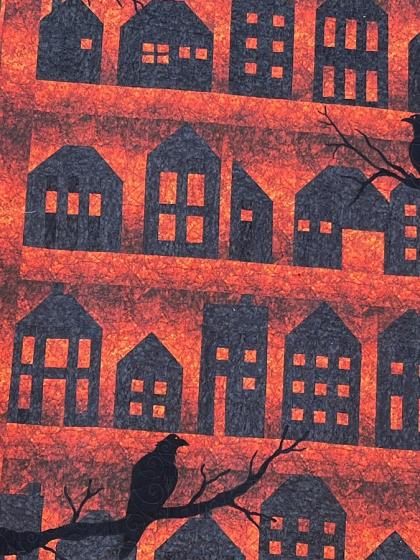
Poe's "The Raven"
Edgar Allan Poe's "The Raven" is a renowned poem that continues to captivate readers with its eerie atmosphere, melodic rhythm, and haunting narrative. First published in 1845, this iconic work has become a cornerstone of Gothic literature, exploring themes of grief, loss, and the relentless grip of the past. Through its vivid imagery and poetic craftsmanship, "The Raven" has solidified its place as one of Poe's most celebrated and enduring creations.
The poem tells the story of a distraught narrator who, on a cold and dreary night, is visited by a talking raven. The raven perches upon a bust of Pallas, symbolizing wisdom, and repeatedly utters the word "Nevermore." As the narrator engages in a conversation with the mysterious bird, his anguish and despair intensify, leading him into a state of madness and obsession.
One of the notable aspects of "The Raven" is Poe's masterful use of language and sound. The poem's melodic and hypnotic rhythm, created through a combination of internal and end rhymes, enhances its dark and somber atmosphere. The repetitive refrain of "Nevermore" echoes like a haunting incantation, contributing to the sense of despair and hopelessness that permeates the poem.
Furthermore, Poe's imagery in "The Raven" is vivid and evocative, painting a stark and unsettling portrait. The midnight hour, the chamber's darkness, and the flickering of the dying ember create a gloomy backdrop against which the raven's appearance becomes all the more foreboding. The narrator's descriptions of his own tormented state and his struggle to find solace add to the palpable sense of melancholy.
At its core, "The Raven" delves into the depths of human emotion, particularly the anguish of loss and the inability to move on from grief. The narrator's encounter with the raven becomes a metaphorical manifestation of his own haunting memories and internal struggles. The raven's presence, representing a perpetual reminder of his sorrow, becomes both a source of fascination and torment for the narrator.
"The Raven" has endured for generations due to its exploration of universal themes and its ability to resonate with readers on an emotional level. It invites contemplation of the nature of grief, the boundaries of sanity, and the insidious power of the past. The poem's dark and melancholic tone, combined with its intricate wordplay and mesmerizing rhythm, continue to enthrall audiences, cementing Poe's status as a master of Gothic literature.
In conclusion, Edgar Allan Poe's "The Raven" stands as a haunting masterpiece of Gothic literature. Through its lyrical composition, chilling imagery, and exploration of themes such as grief and the persistence of memory, the poem remains a timeless and captivating work. Its enduring popularity serves as a testament to Poe's extraordinary talent for crafting atmospheric and psychologically complex narratives that continue to resonate with readers of all generations.
Posted in sisters-or by Melissa Powell